
AT A GLANCE
Jeena Mary Chacko
Email ID: jeena.chacko@manipal.edu
Research Scholar & Educator
Centre for Reimagining Transitions (CRT)
A. Role within CRT
At the Centre for Reimagining Transitions, I work as a research scholar and educator engaged in developing practice-led, transdisciplinary approaches to storytelling and ecological thought. My practice unfolds at the intersection of econarratology, environmental humanities, speculative narrative practices and creative writing. My work situates fiction not merely as a creative output, but as a methodological tool for engaging with epistemic, ecological, and affective realities. I attempt to engage narrative as a critical, affective, and epistemic practice: one that reorients how ecological crises and planetary anxieties are perceived, articulated, and imagined within fiction. My work turns to empathic imagination within storytelling as an active, subversive force that enables us to step beyond the narrow enclosures of the self and inhabit a plurality of lives, systems, and more-than-human worlds.
Drawing from traditional, speculative and emerging narrative traditions, I explore how fiction can resist cynicism and instead cultivate radical tenderness, imaginative regeneration and the possibility of flourishing within damaged worlds. My engagement with traditional and emerging speculative narrative genres extends this inquiry into the realm of possibility, using fiction to imagine alternate ecological futures, multimodal experiences of living within fractured presents, and more-than-human modes of being.
Central to my work is a persistent question: What kinds of worlds become possible when we change the language through which we understand them?
I attempt to contribute to the center’s transdisciplinary vision through the design of narrative-driven learning environments, integration of CRT’s transition frameworks into teaching, and the ongoing development of my doctoral work in econarratology.
B. CRT Contribution & Research Focus
With a core focus on environmental humanities, and speculative narrative practices, my work inhabits the interstitial space between education and pedagogy. My research emerges from interrogating how dominant narrative forms and extractive language have historically participated in the silencing, abstraction, and instrumentalization of the world. In response, I attempt to explore how storytelling can function as a site of resistance to such epistemic violence, reconfiguring narrative itself as a mode of ecological attunement. Drawing on econarratology, I examine how narrative structures: voice, temporality, perspective, worldbuilding and form can shape ecological consciousness and mediate human engagements with the more-than-human world.
My work at CRT investigates how the craft of fiction can function as sites of knowledge transition, particularly in response to ecological crisis. My research explores how narrative can:
- Reposition landscape as an active, agentive presence
- Foster multispecies conviviality and relational thinking
C. Transition Framework
My work engages with CRT’s knowledge transition framework through:
- Moving from linear, rational cognition toward non-linear, affective, and ecological modes of storytelling.
- Movement away from anthropocentric narrative regimes toward relational, multispecies, and ecologically embedded storytelling practices.
- The proposition that narrative is not merely reflective of the world but constitutive of it. Stories shape perception, and perception shapes relation. To intervene in narrative, therefore, is to intervene in how worlds are known, felt, and inhabited.
- Reimagines storytelling as a deep leverage point within transition studies that reorients narrative form and logic from linear to cyclical and deep temporalities, from singular human perspective to distributed, multispecies viewpoints, from inert landscapes to animate, affective ecologies and from extraction-based imaginaries to relational, co-becoming worlds.
D. Thrust Areas of Research
- Multispecies storytelling and non-human perspectives
- The role of fiction in addressing epistemic violence and climate anxiety
- Reimagining place as an active, thinking, and feeling presence within narrative—shaping story, temporality, and character.
- Designing pedagogical frameworks that cultivate ecological sensitivity, narrative experimentation, and multispecies imagination within creative practice.
E. Teaching–Research Integration
- Embedding econarratology and environmental humanities into undergraduate and postgraduate teaching frameworks
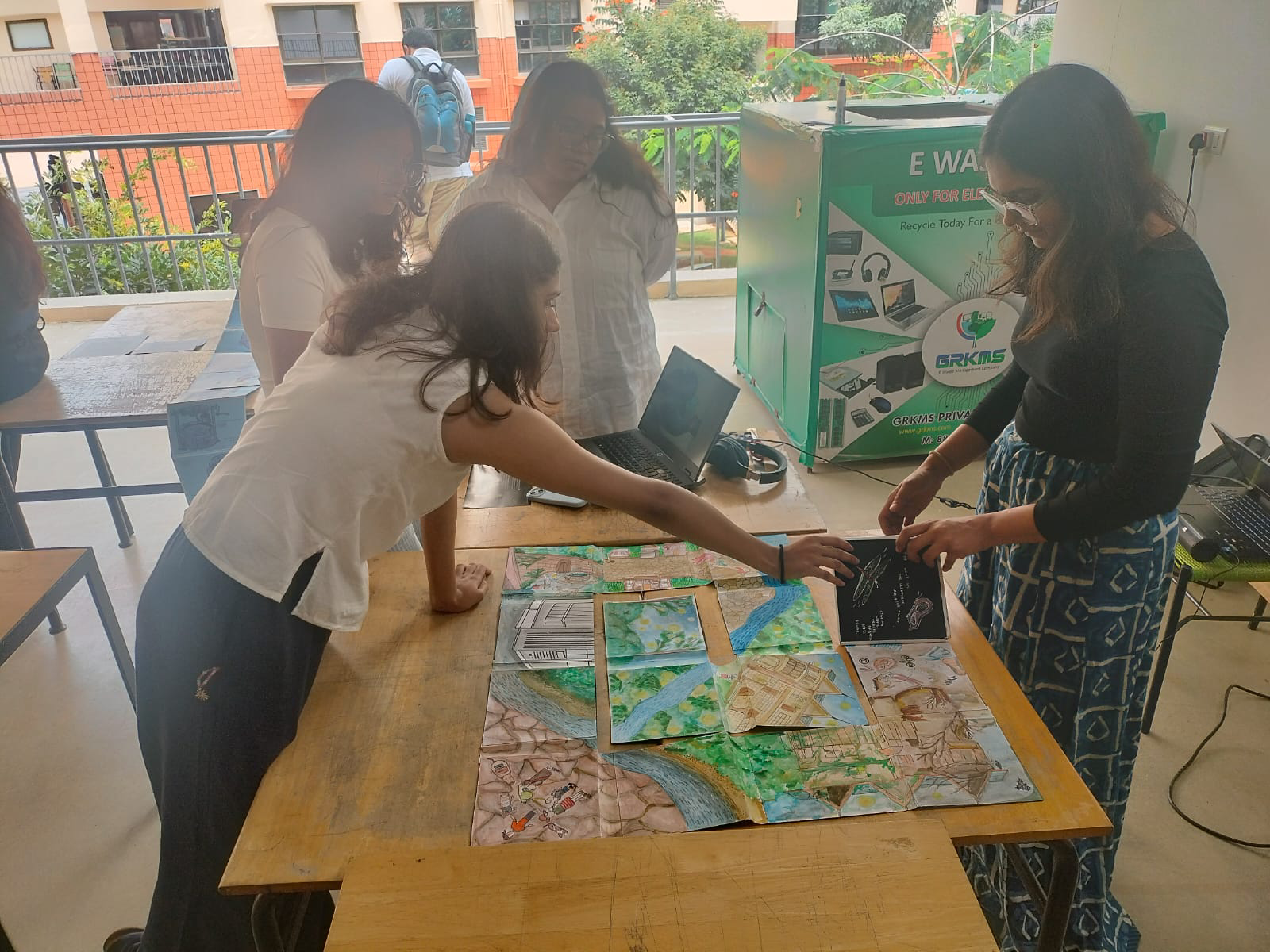
- Designing narrative-based studios for Foundation Studies Program that integrate speculative thinking, ecological inquiry, and storytelling practices.
- Developing place-based, immersive pedagogies that foreground sensory engagement, fieldwork, and more-than-human perspectives.
- Using storytelling as both method and output within transdisciplinary research contexts.
F. Outputs of Individual Mentoring in Capstone Project:
My mentorship centres on enabling students to work at the intersection of narrative, ecology, and speculative practice. I support the development of projects that move beyond conventional storytelling toward experimental, research-driven, and ecologically situated narrative forms. My approach emphasises depth of inquiry, formal innovation, and the integration of theory and creative practice. My pedagogy integrates CRT’s knowledge transition framework through studio-based, practice-led learning environments, where students engage with storytelling as both craft and inquiry.
This includes:
- Embedding research questions within creative practice
- Encouraging transdisciplinary exploration across literature, ecology, film, and design
- Developing experimental narrative forms that challenge conventional structures
G. Units Taught under CRT Framework
2025-26
- Foundation Studies Program: Contextual Enquiry: The Once And Future Kins
- Information & Storytelling – BDes (Studio unit offered under Information Arts And Information Design Practices)
- Study of Social Ecology – Foundation Studies Wild Neighbourhoods: Co-dwelling & Belonging
- Masterclass Semester 8 – Hopepunk & Speculative Futures
- Masterclass Semester 8 – Worldbuilding, Worldmaking, Worlding
- Masterclass Semester 8 – Trees As Storytellers
- Masterclass MDes Year 1 – Affective Storytelling & Speculative Ethics
2024-25
- MDes Seminar: Ethical Dilemma & Decision Making
- MDes Studio: Climate Change in creative fields
- MDes Studio: Language & Landscape
- MDes Workshop: Ways Of Seeing/Ways Of Knowing
- Foundation Studies Program: Contextual Enquiry: False Utopias & Hopeful Dystopias
- Information & Storytelling – BDes (Studio unit offered under Information Arts And Information Design Practices)
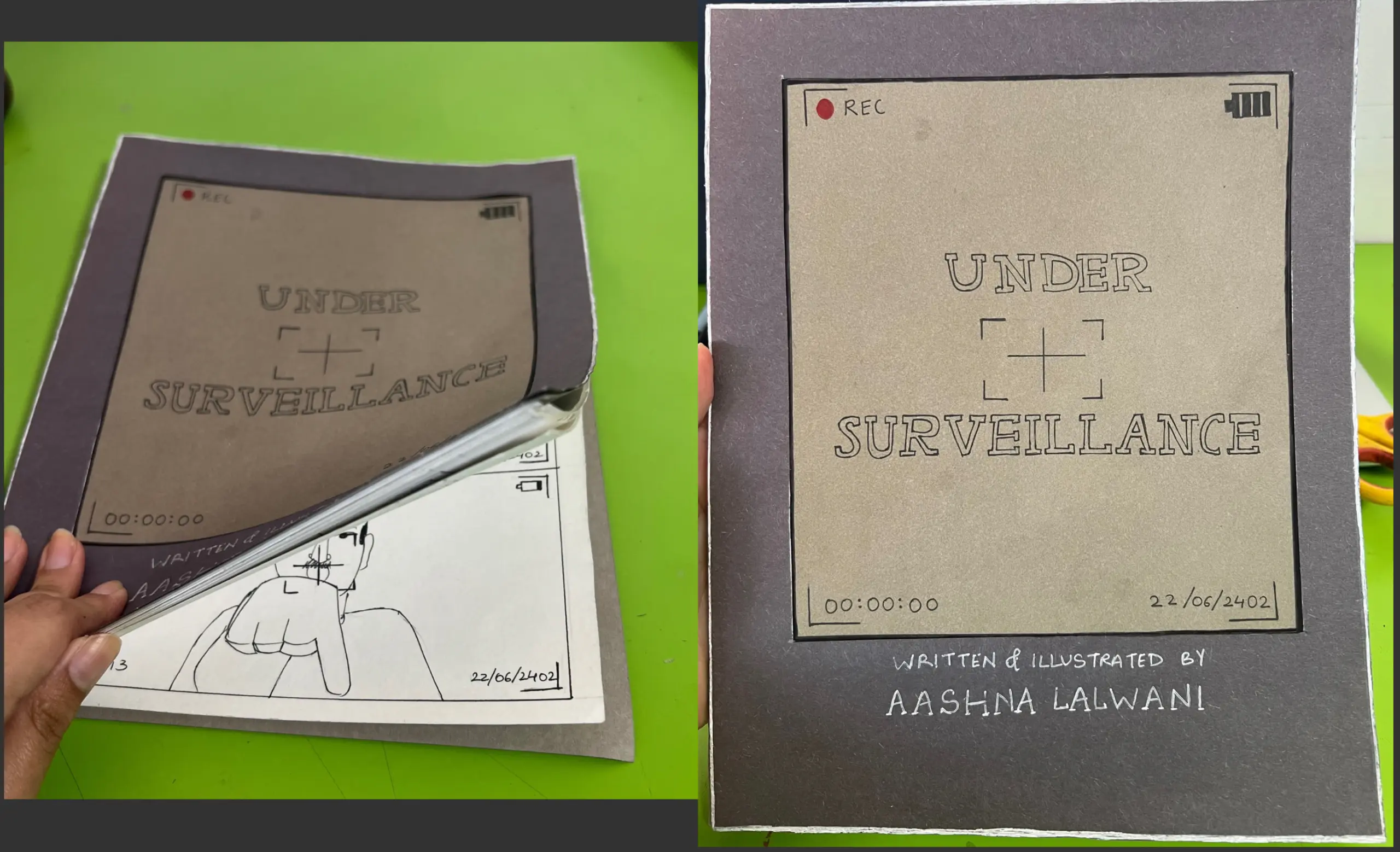
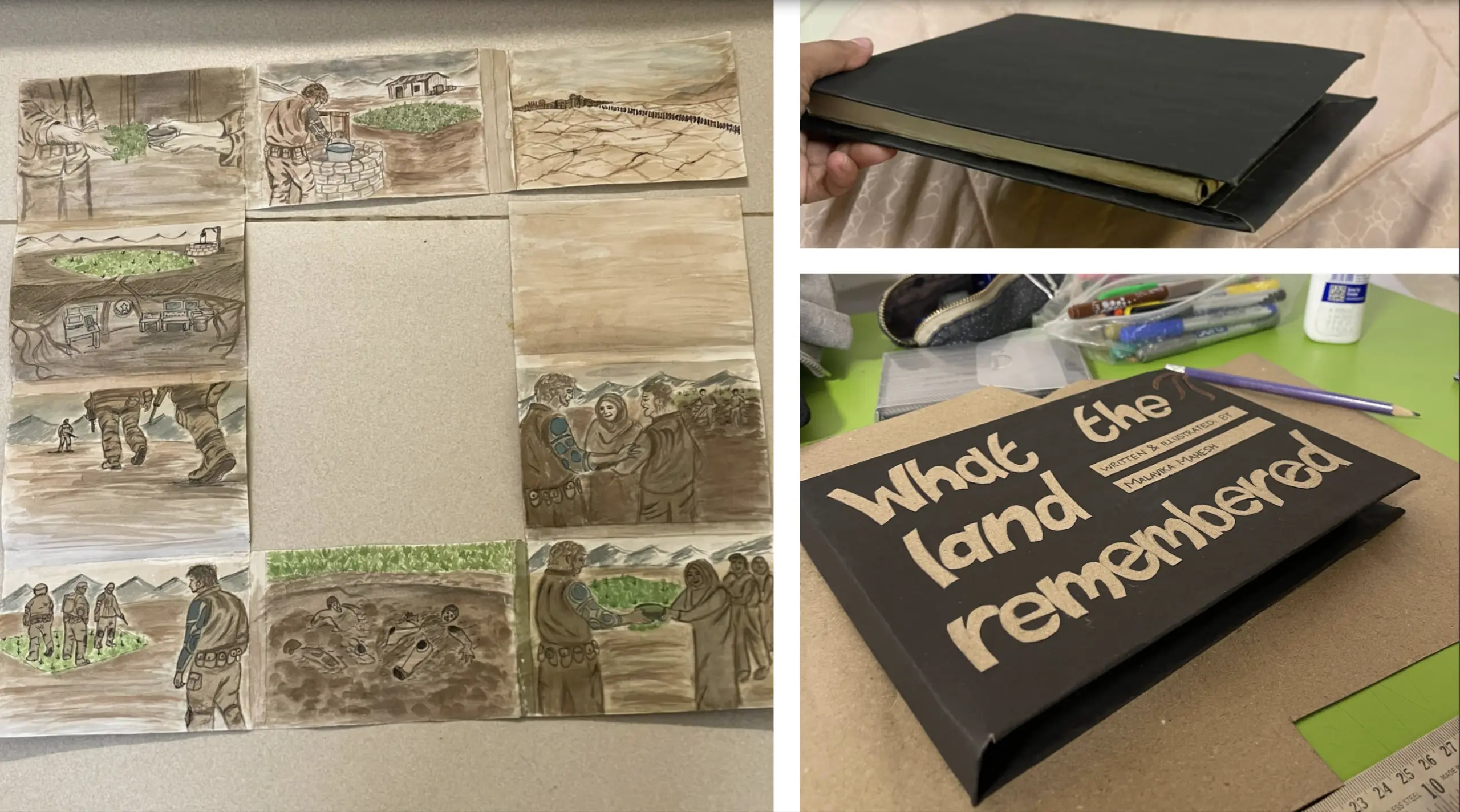
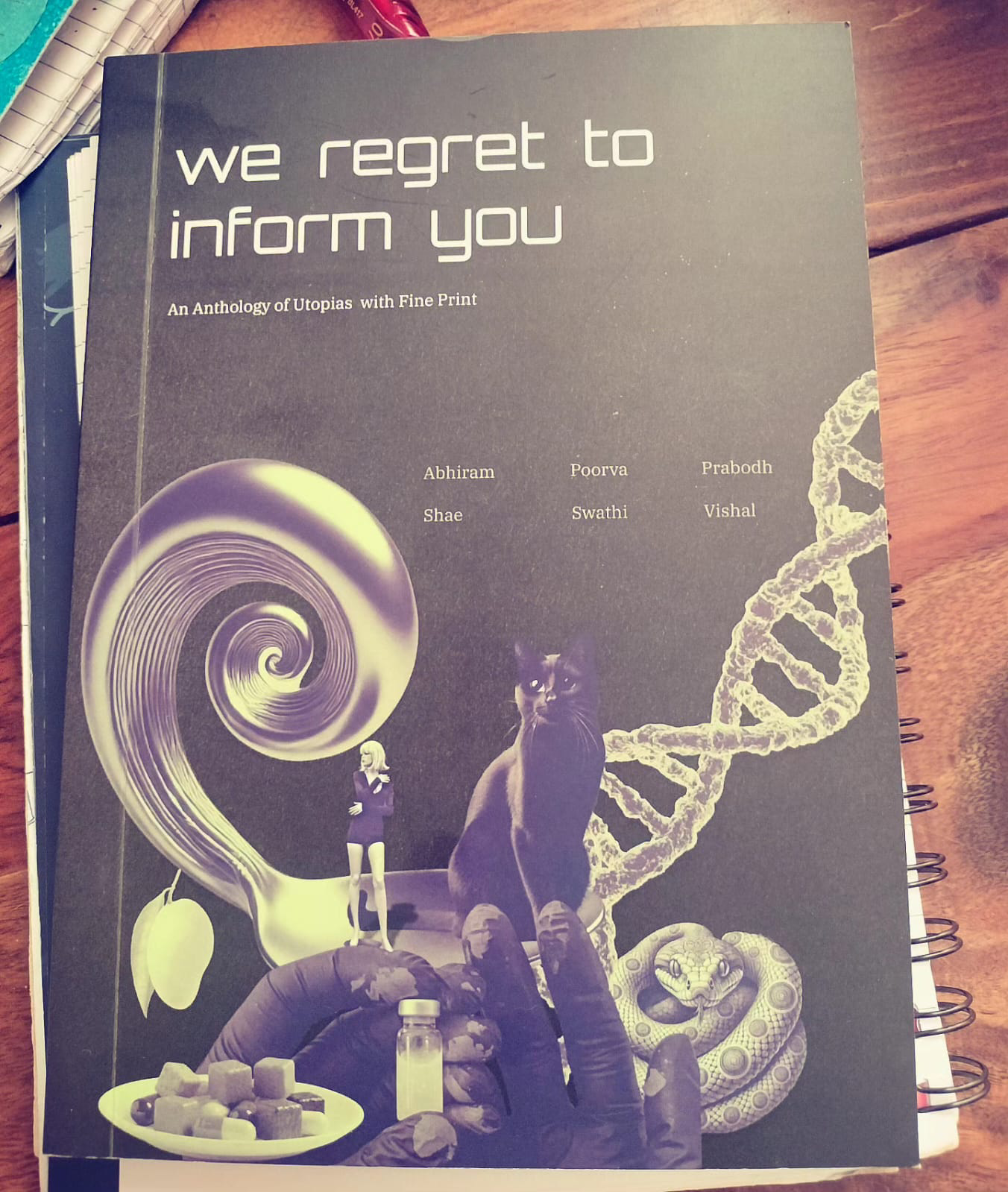
Student outputs often include:
- Short stories and novellas
- Screenplays and visual narratives
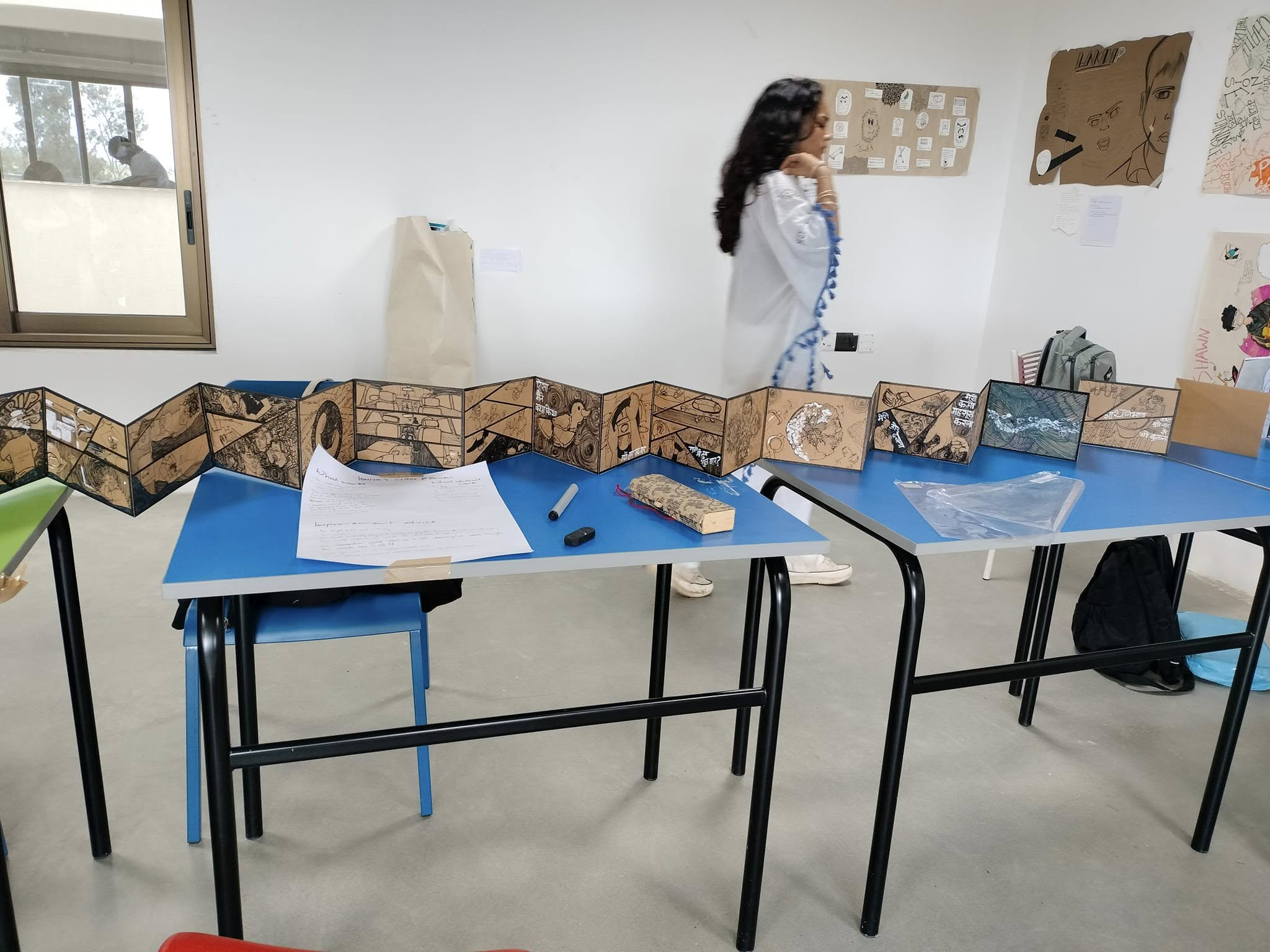
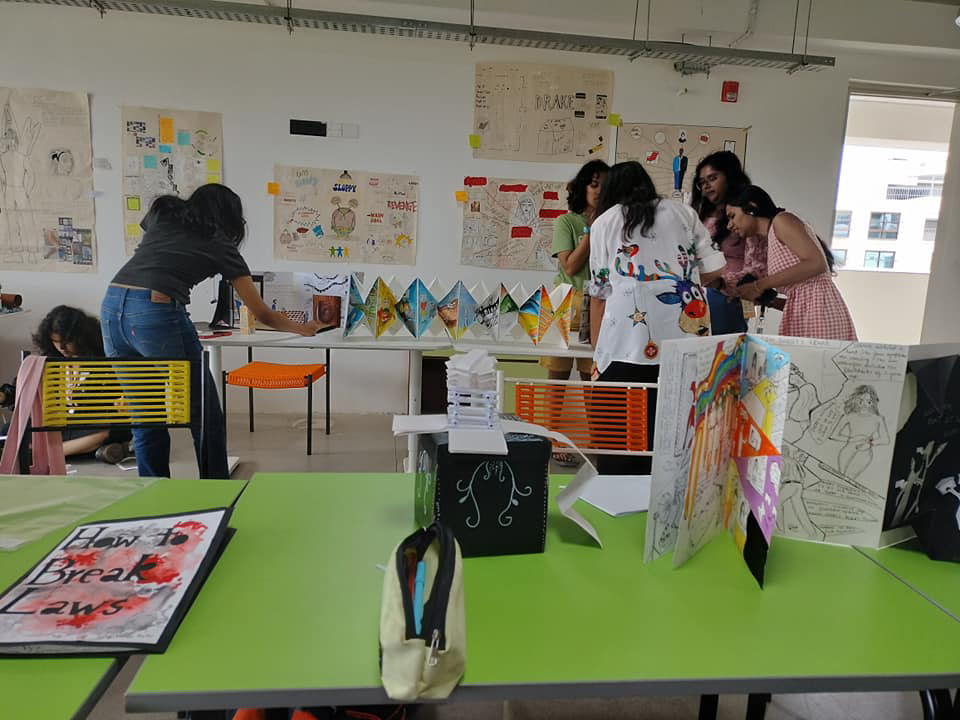
- Experimental books and multimodal artefacts
H. Outputs, Engagement & Impact
Publications:
- Rana D, and Chacko J. Chapter- Rewilding Art & Design Education: A Pedagogical Framework for Fostering Partnerships with Nature. In Urban human-nature partnerships – From the Anthropocene to the Ecocene. (In press)
Public-Facing Engagements:
- Workshop, February 2026 – Speculative Artefacts: Worldbuilding as Critical Inquiry, Design Project III | MDes New Media Design, National Institute of Design
- Workshop – March 2026 – Speculative Artefacts as Worlding Devices, Design Project III | MDes New Media Design, National Institute of Design
- Workshop – April 2026 – Systems & Entanglements Design Project III | MDes New Media Design, National Institute of Design
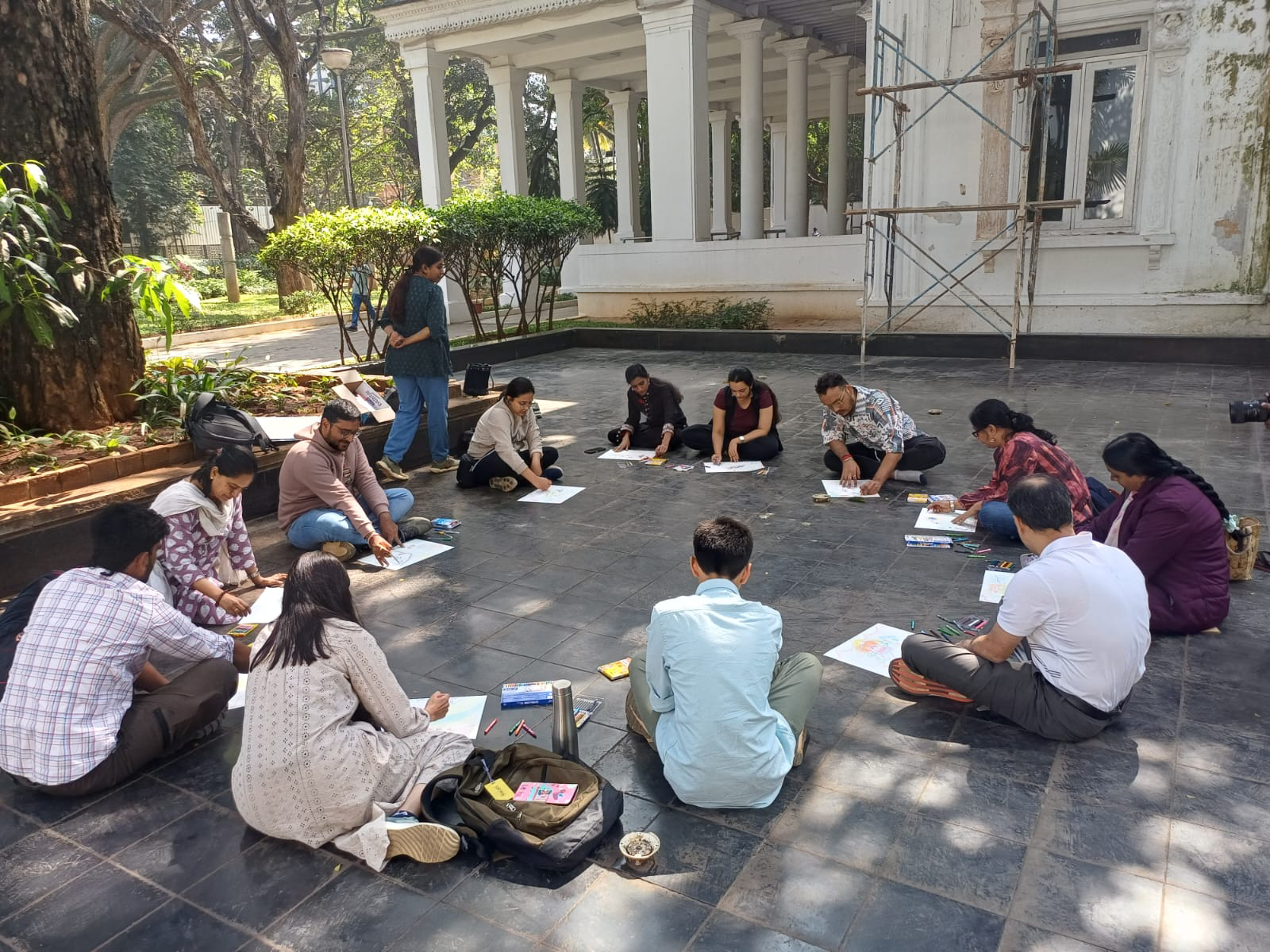
- Conducted a collaborative session at NGMA Bengaluru as part of the Anubandha Nature Festival with Divyarajsinh Rana