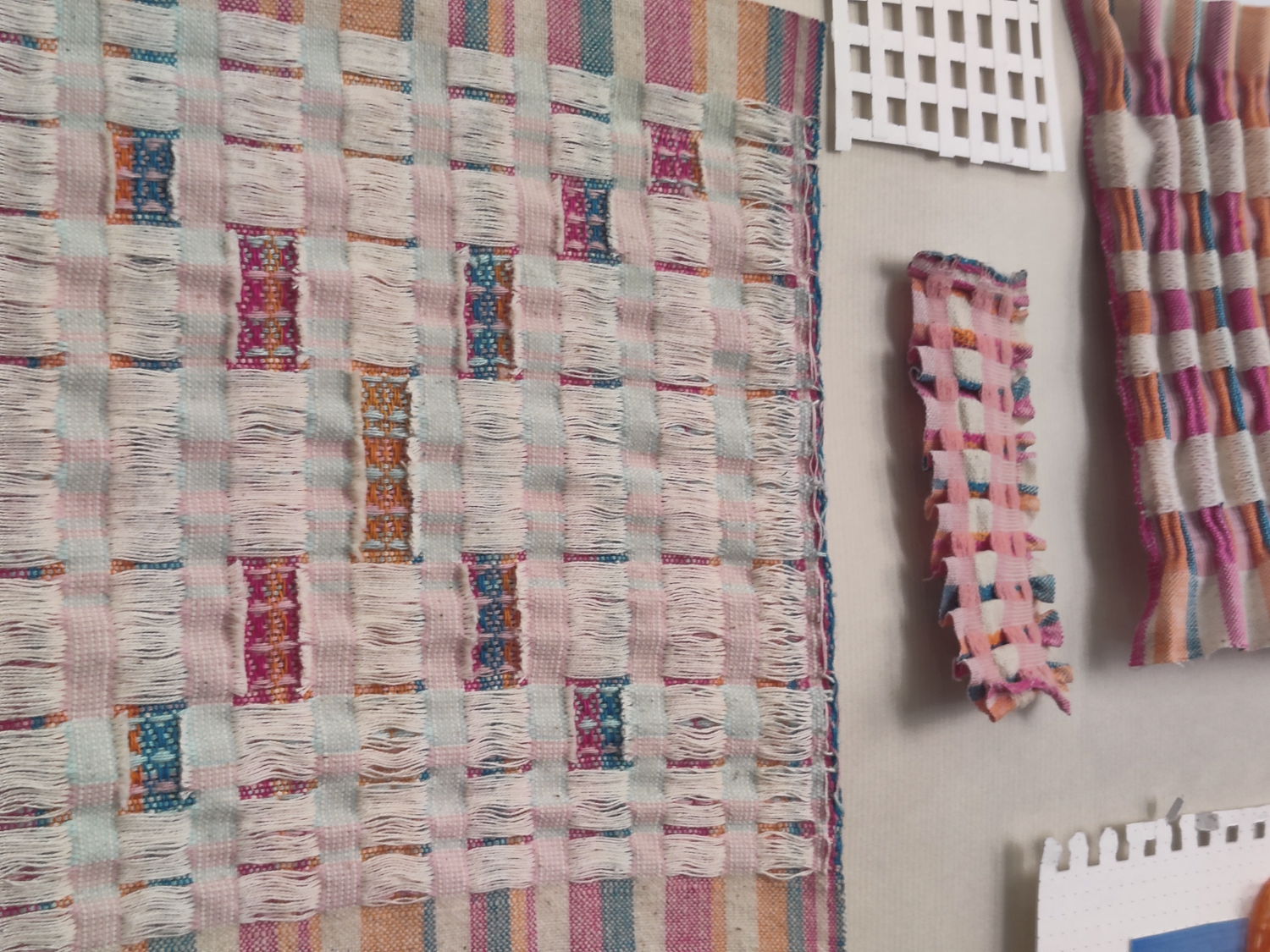
4-YEAR UG Professional Program

4-YEAR UG Professional Program

The Bachelor of Design (B.Des.) in Textile Futures is a four-year undergraduate program that reimagines textiles as a dynamic field, extending beyond fashion and interiors. Rooted in India’s rich handcraft traditions and informed by contemporary material and technological practices, the course positions textiles as a medium for material innovation, sustainability, cultural inquiry, and future oriented design.
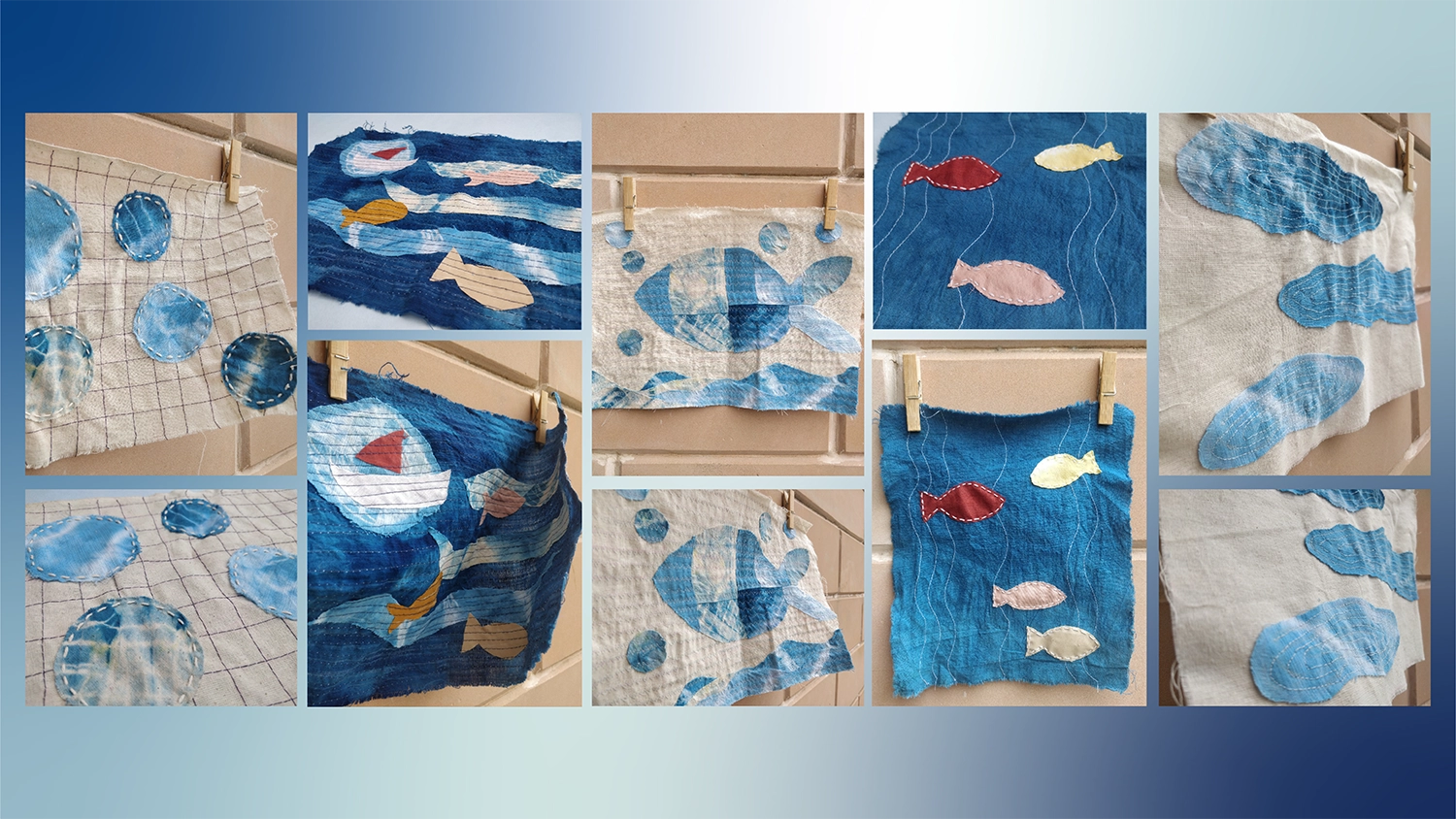
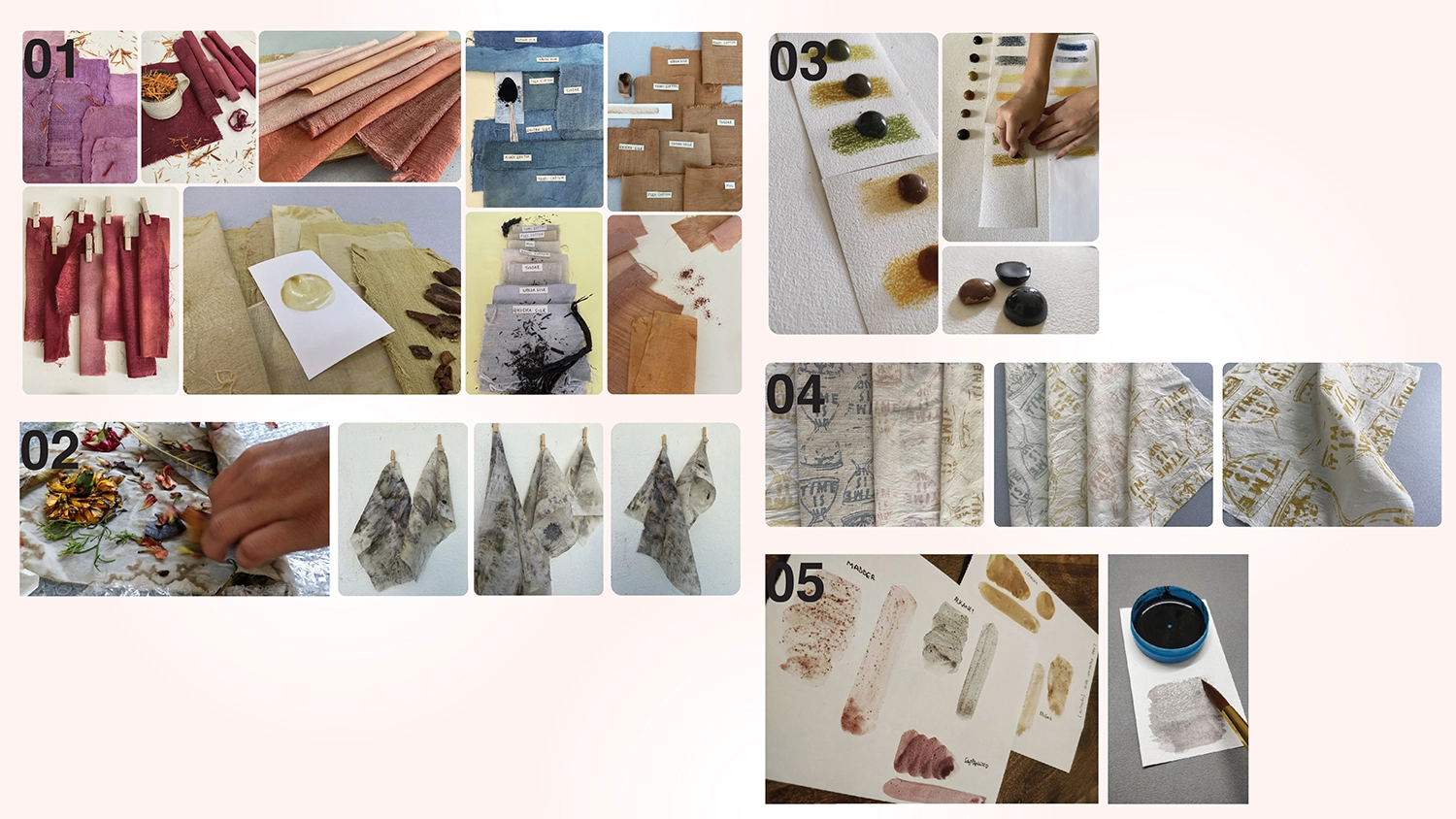
Students work hands-on with fibres, yarns, dyes, surfaces, and structures, learning both traditional techniques like weaving, printing and dyeing, and advanced practices such as computational weaving, smart textiles, and sustainable material systems. The course supports multiple trajectories, enabling graduates to work as designers, makers, researchers, and creative practitioners across art, design, industry, and social contexts.
Textiles are fundamental to everyday life, shaping how we live, from what we wear and inhabit to how we express culture, identity, and care for the environment. As material technologies, ecological concerns and social realities evolve, textiles are no longer limited to conventional notions of fashion or interiors. Everyday textile products are increasingly being rethought through lenses of sustainability, material innovation, technology, and systems thinking.
The Textile Futures course at SMI envisions textiles as a site of creative and critical engagement where craft knowledge, material intelligence, and emerging technologies come together through hands-on practice. Making is approached as a way of thinking, questioning, and learning, grounded in material experimentation and reflection, informing the design of meaningful products, experiences and systems. Exploring newer areas such as bio-materials, including fibres and composites derived from agricultural waste opens up pathways to reimagine textiles for applications such as alternative packaging, insulation, and regenerative material systems.
Situated within SMI’s transdisciplinary ecosystem, the course encourages collaboration across art, design, science, and technology, fostering designers who can respond thoughtfully to complex material and social challenges. The vision is to cultivate practitioners who imagine and shape textile futures that are culturally rooted, environmentally responsible, and responsive to changing contexts.
LEVEL
Undergraduate Degree
AWARD
Bachelor of Design (B.Des)
DURATION
4 Years / Full-time
For More information, please contact Prf.Swati Maskeri at swati.maskeri@manipal.edu
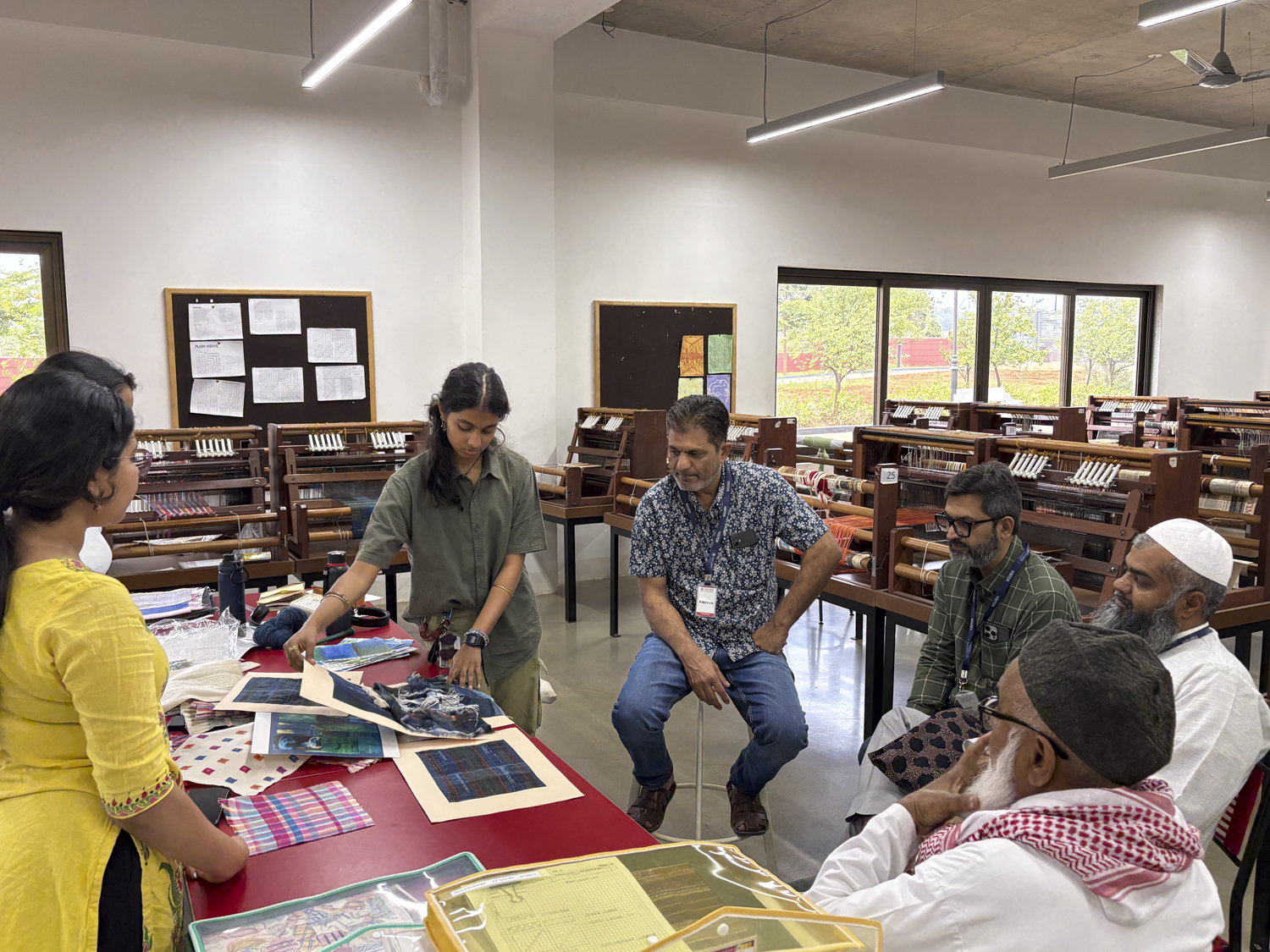


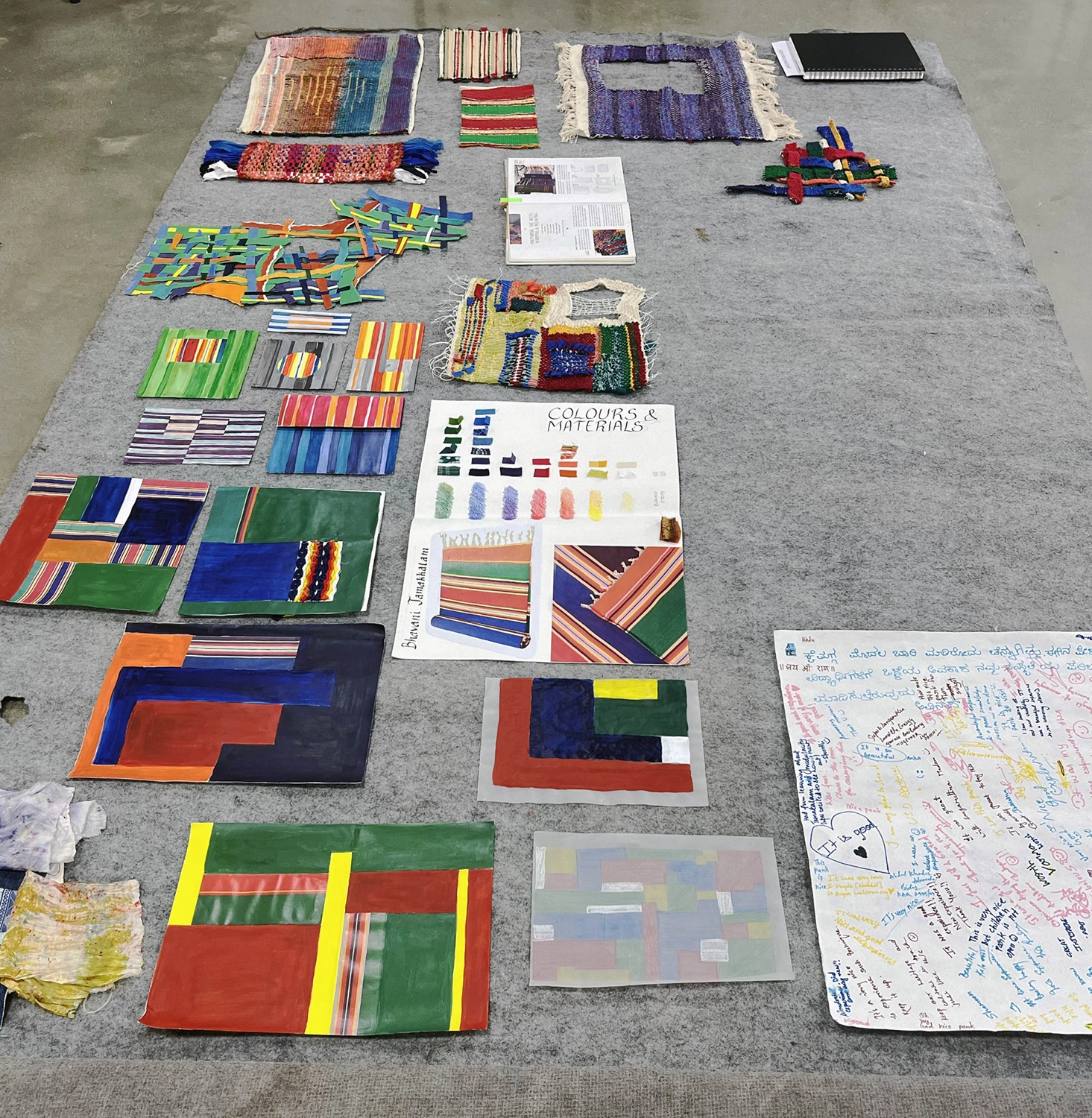
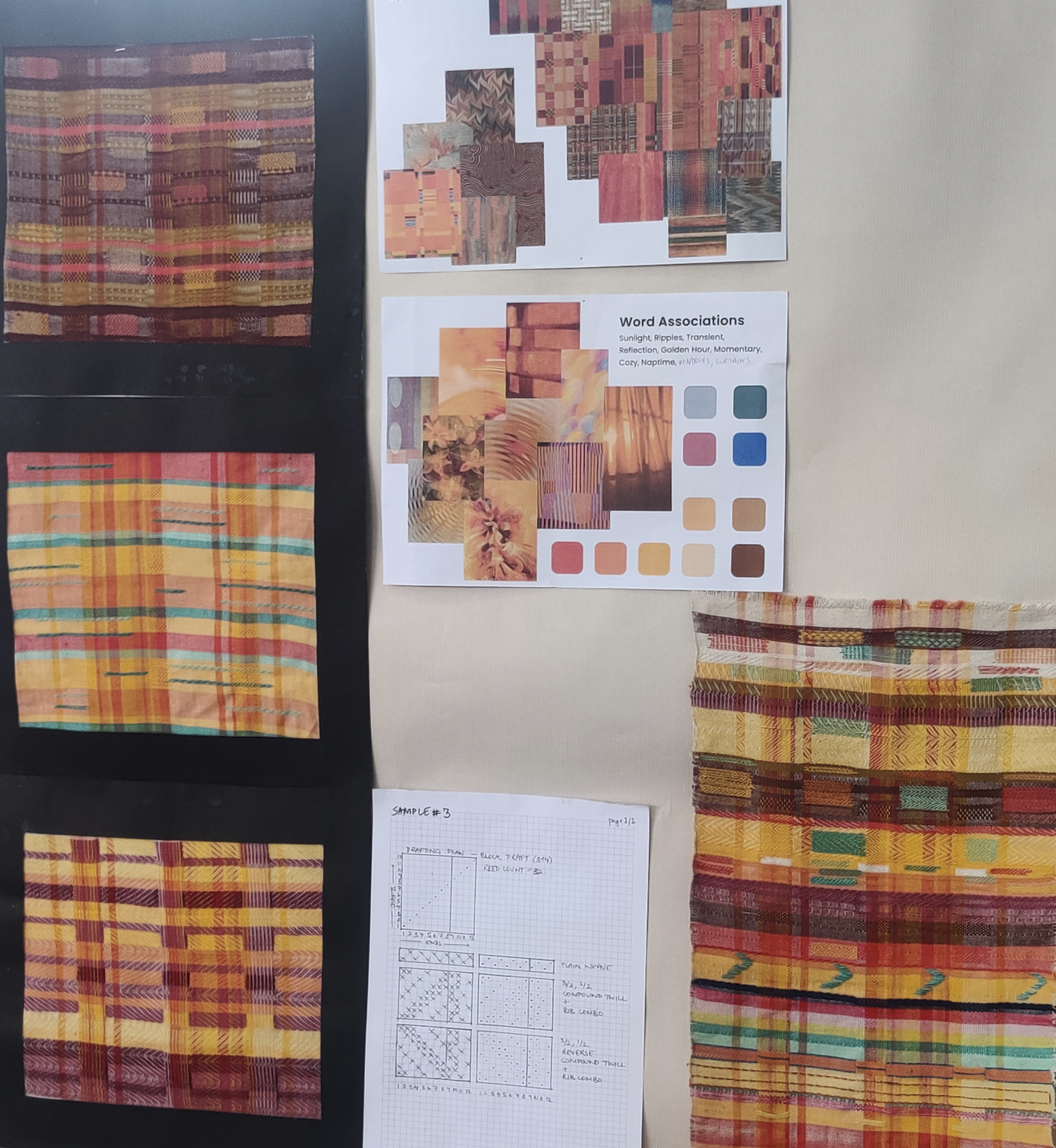
The course comprises of foundation courses, studio based making and learning, critical reading and writing, internships, electives and project-based semesters.
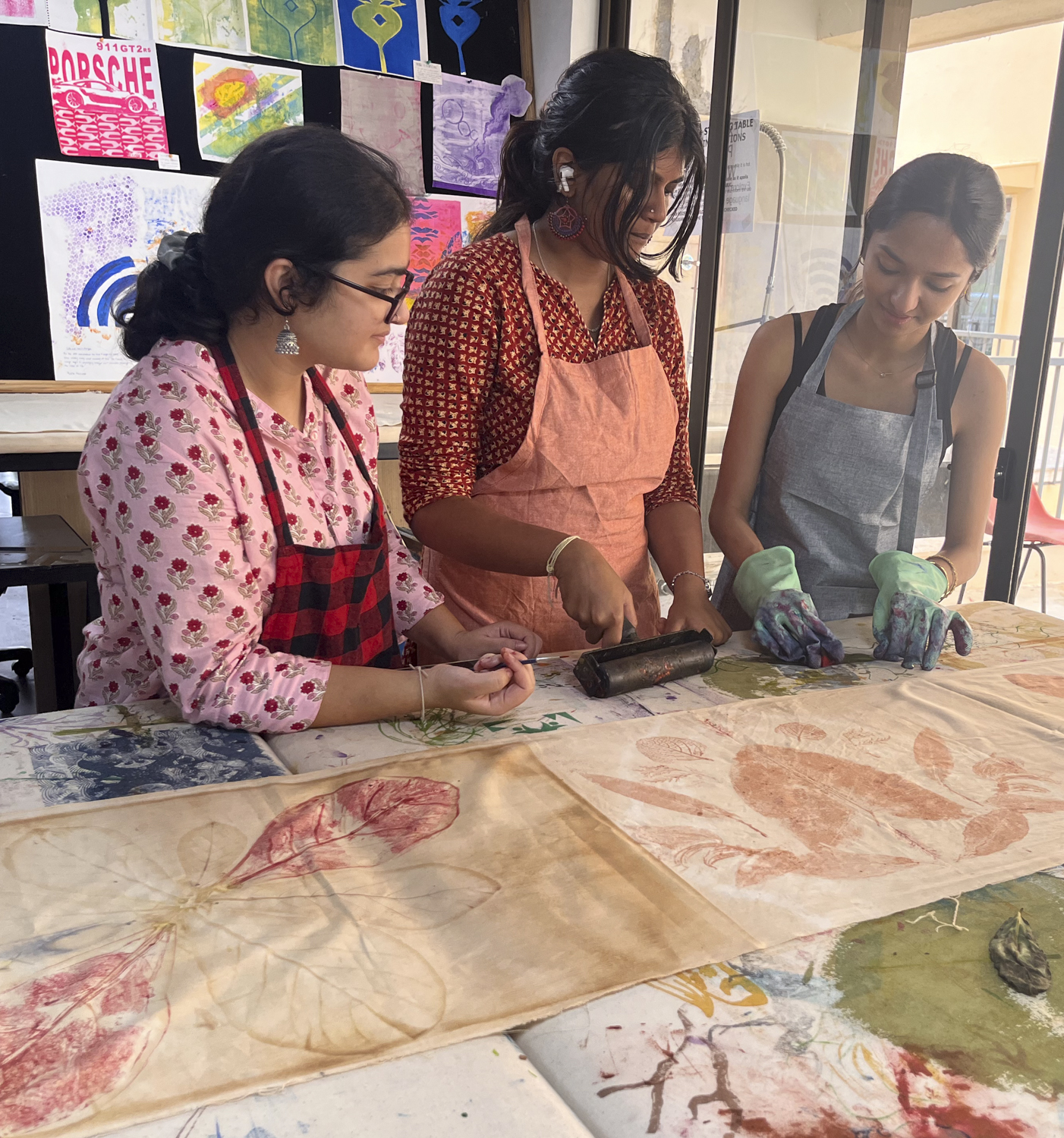
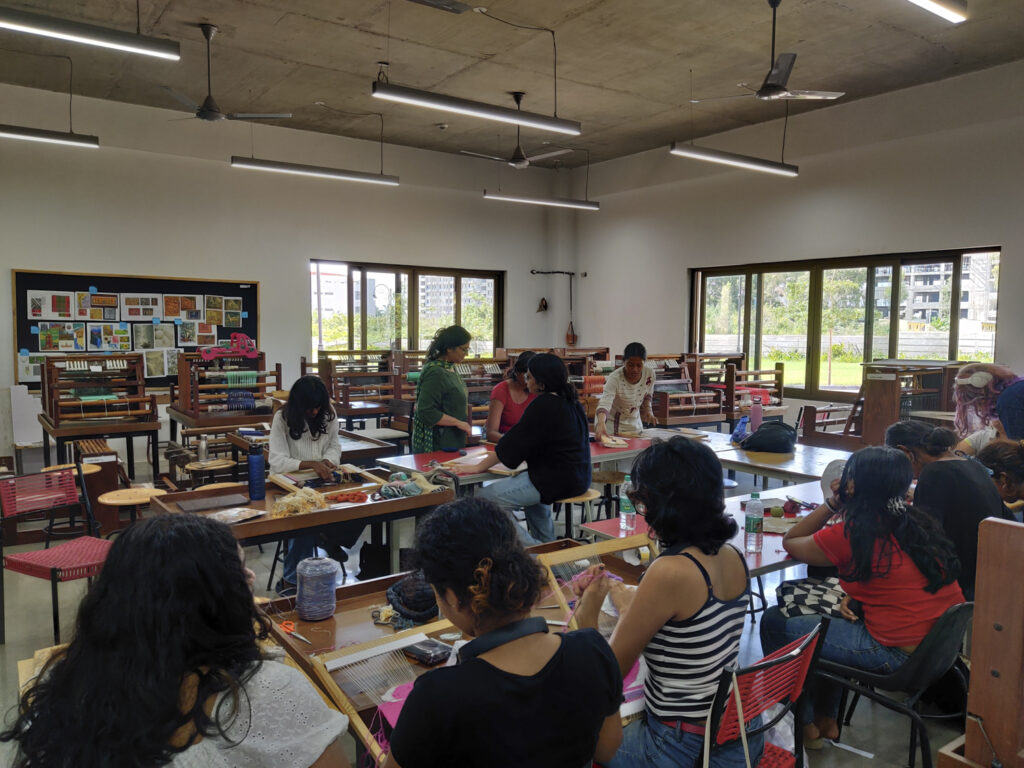
Learning in Textile Futures is studio-led, hands-on, and exploratory. Students learn through making, experimenting, and reflecting – treating materials and processes as tools for thinking and inquiry. Key aspects of the learning approach include:
Access to advanced facilities, including the TC2 digital jacquard loom supports experimental and globally relevant textile practices, positioning students within contemporary and forward-looking modes of textile education.
Upon successful completion of this course graduates will have developed the following capabilities:
Textile Futures looks at textiles as a field of innovation rather than a single industry. It explores how fibres and fabrics can be used to create new materials, systems, and experiences – connecting craft knowledge with contemporary technology, sustainability, and experimental design practices.
This course is ideal if you enjoy working hands-on with materials, are curious about sustainability and innovation, and want to explore textiles as a creative, cultural, and technological medium and not just as a fashion product. No prior experience in textiles is required, only curiosity and a willingness to experiment.
Graduates can pursue careers in sustainable textile design, material research, smart textiles, craft-based enterprises, fibre arts, design research, or entrepreneurship. The program also provides a strong foundation for postgraduate studies in design, art, materials, or sustainability.
Graduates can pursue diverse roles such as: